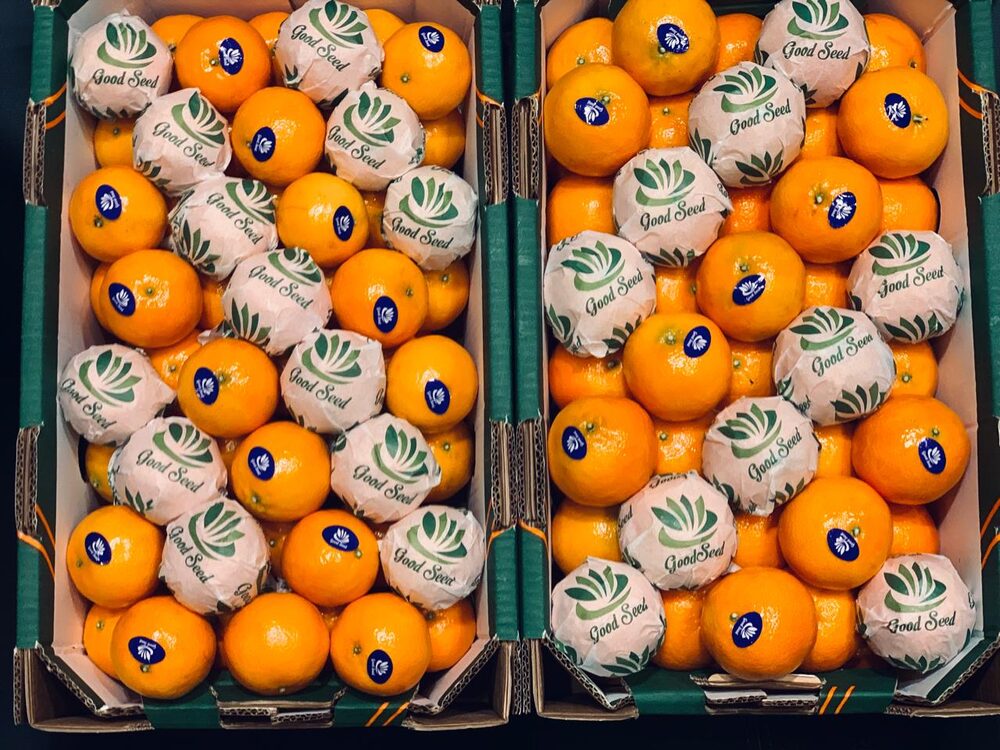
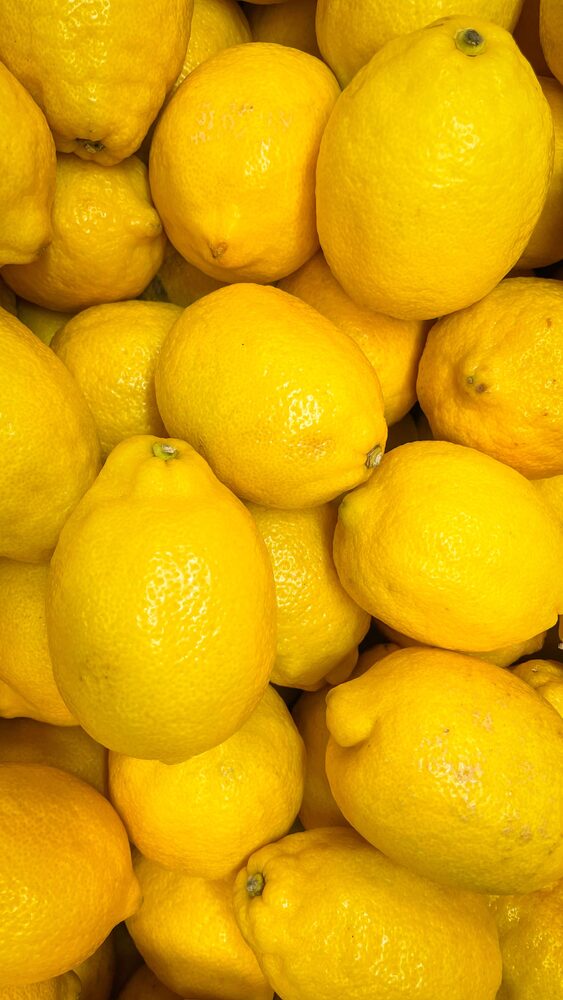
Five citrus lines out of Egyptian farms — Valencia, Navel and Baladi oranges, Murcott and Clementine mandarins, and Adalia and Baladi lemon. Between them they cover November through July from one packhouse, one QC standard and one set of papers.
Buyers who ask for “oranges” usually mean one of three things, and picking the wrong one costs more than the price gap between them.
Baladi opens the season in December: deep colour, high juice yield, and the variety that bridges the gap before Valencia is ready. Navel follows in the same window but does a different job — seedless, easy to peel, and the one to put in front of a retail buyer. Valencia arrives in January and runs to May; it is grown for juice extraction, which is why it is the only one of the three we also load in 600 kg bins for processors rather than cartons.
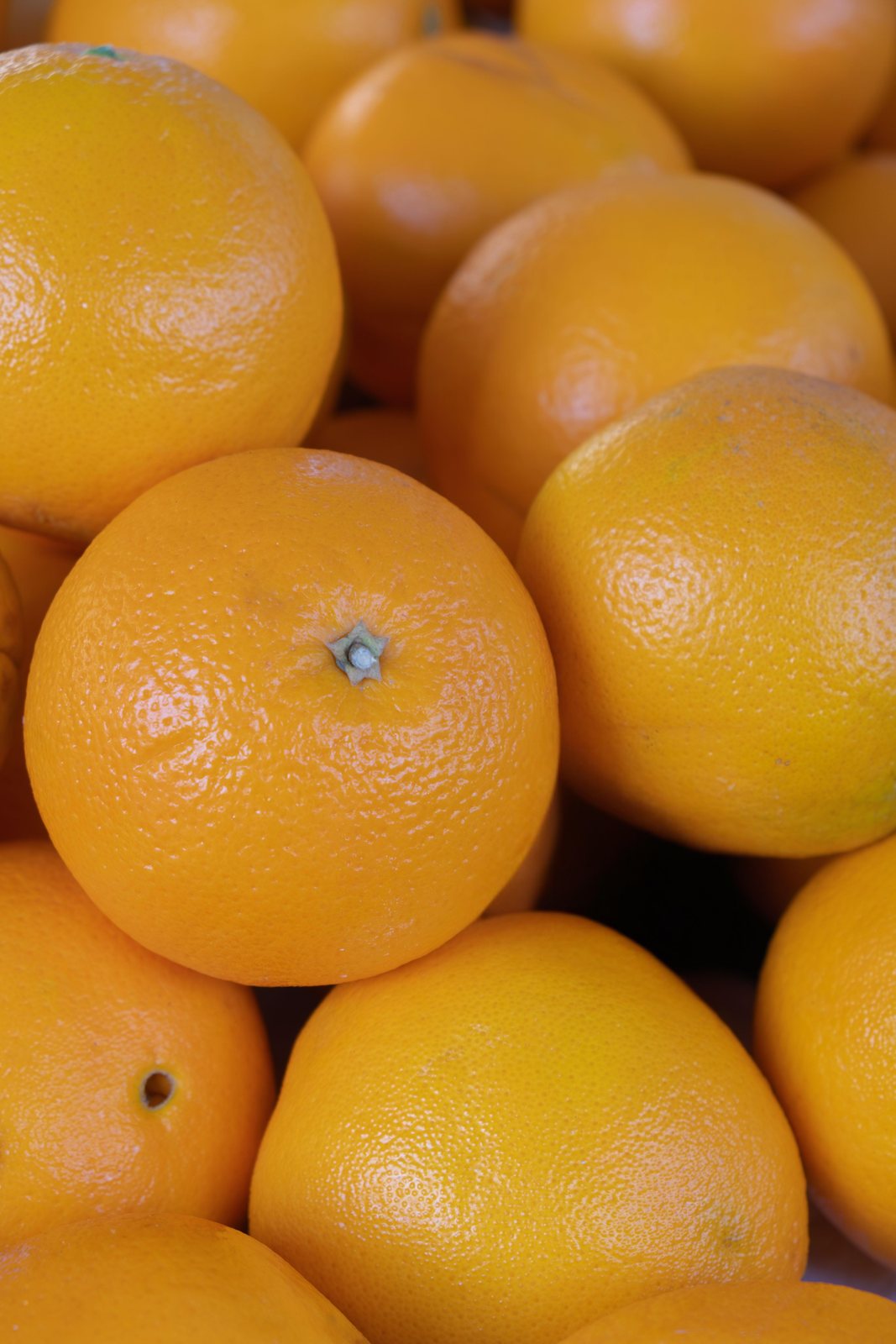
Grown mainly for juice — our highest-quality juicing citrus, packed under strict QC.
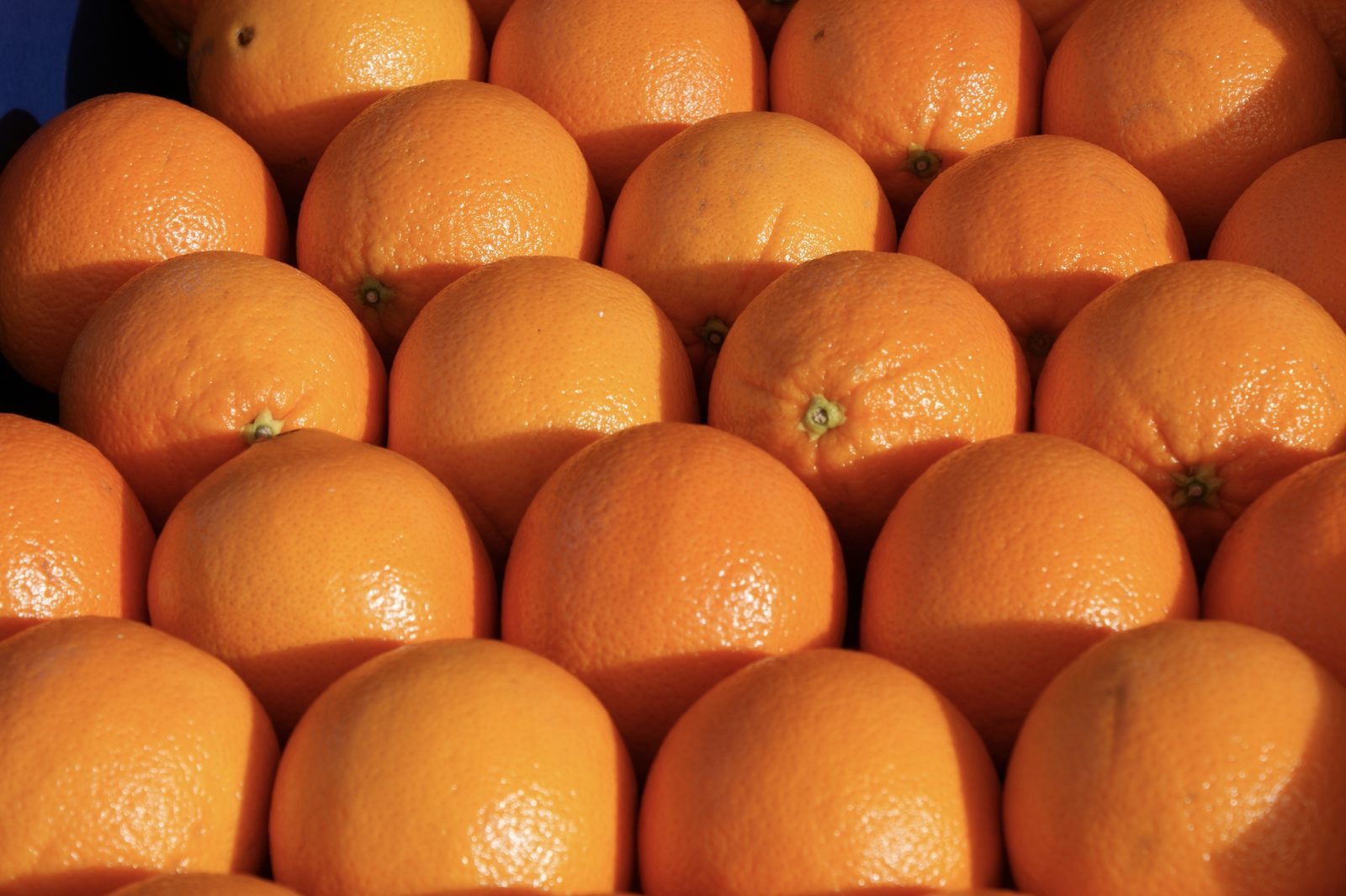
Seedless and excellent for eating; carefully packed to top-quality grade.
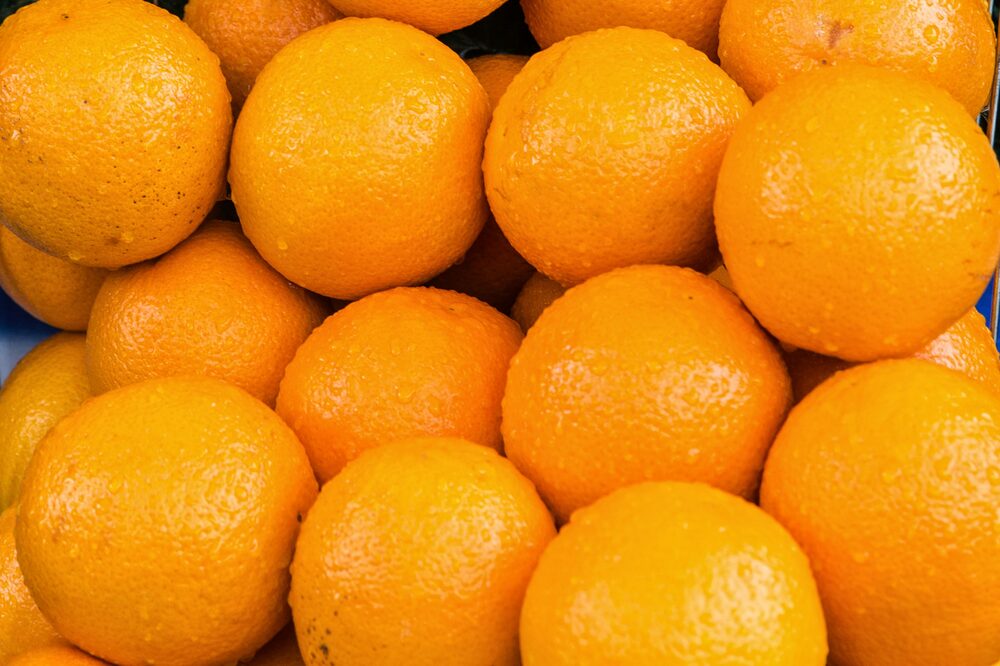
Egyptian variety ripening early in the season — an early-Valencia substitute, widely used by Western European juice factories.
Both run November to April, alongside the early oranges.
Murcott is the sweet, late mandarin most buyers ask for by name; Clementine, Fremont and Mirav extend the window either side of it. Adalia is the lemon that travels — thin-skinned, high in juice, and robust enough for the four-week transits that a CIF programme into northern Europe implies. Baladi lemon is the smaller, more aromatic alternative.
What is loading when, so a year-round programme can be planned against real windows rather than promises.
| November – December | Mandarin and lemon open. Baladi and Navel oranges start mid-December. |
|---|---|
| January – February | Peak overlap: Navel, Baladi, mandarin and lemon all loading. Valencia begins. |
| March – April | Navel and Baladi finish. Valencia in full flow; mandarin and lemon taper. |
| May | Valencia only, running to the end of the month. |
| June – July | Citrus closed. Grapes, mango and pomegranate carry the programme — see all fresh produce. |
Windows shift by a week or two with the season. We confirm loading dates against the actual harvest, not the calendar. Season by season for every crop we supply is in the harvest calendar.
Citrus grading is not improvised. Classes, sizing and tolerances follow the UNECE standards for fresh fruit and vegetables, of which FFV-14 covers citrus specifically — if your specification cites it by name, both sides are arguing from the same document when a container is disputed.
Three things belong in every citrus order, and the third is the one most often left out. Name the count rather than a word like large, because the count is what the packhouse works to. Name the class, since Class I and Class II are both legitimate and the price difference is real. And name the residue standard you are buying against — for European entry that means the limits in the EU pesticide MRL database, which the farms we work with are managed to and which our GLOBALG.A.P. certification is audited against.
Counts, calibres and tolerances explained at length in our grading guide. Full spec sheets sit on each product page.
Tell us the variety, count, volume, destination port and Incoterm — we send the spec sheet, certificates and a quote, usually within 24–48h.
Practical background from our side of the trade — free, no sign-up.
Classes, counts and calibre bands — and how to write a specification a supplier cannot wriggle out of.
Field heat, pre-cooling, correct shipping temperatures by product, and chilling injury.
Incoterms, payment terms, the full document set and a realistic timeline from enquiry to arrival.
See all of our buyer's guides.